
Property investment stats for Wakefield, Yorkshire and The Humber
A complete guide to property investment in Wakefield.
Last updated: 10 October 2026
Investment summary
Wakefield offers a blend of affordability and steady growth, making it an accessible entry point for property investors. The average price-to-income ratio of 4.5 suggests that homes remain within reach for many local buyers, which can help support demand. Rental yields are robust, with an average of 5.9%, and the top performing postcode district delivers an even higher yield of 6.8%. The market is active, with 1,193 sales annually and properties typically spending 55 days on the market before selling.
The median asking sale price for a 3-bedroom house sits at £260,000, while a 2-bedroom flat is currently listed at £125,000. For investors focused on rental income, the median rent for a 3-bedroom house is £1,182, and a 2-bedroom flat commands £918.

Key investment stats for Wakefield
Median price per sq ft
£248 / sq ft
Average rental yield
5.9%
Capital growth (1y)
2.6%
Sales in past year
1,193
* Property stats calculated for last full calendar year (2024).
Live property stats in Wakefield
Live prices in Wakefield, Yorkshire and The Humber
* Extreme prices clipped for legibility
Properties for sale
Median price
£275,000
25% of properties below...
£180,000
75% of properties below...
£390,000
Most expensive property
£2,775,000
Live listings
733
Median days on market
55
Should you invest in Wakefield?
Opportunities
- Strong rental yields, with an average of 5.9% and the top postcode district achieving 6.8%, offer appealing income potential.
- The price-to-income ratio of 4.5 and median price per square foot of £248 per sq ft point to relative affordability for both investors and tenants.
- Capital growth over the past three years has changed by 9.7%, with annualised growth at 3.1%, suggesting steady appreciation over time.
Risks
- The area has a high proportion of social rented housing, in the 82nd percentile, which may affect overall tenant mix and demand stability.
- The degree-educated and professional population is in the lower third compared to Britain, which could limit future uplift in demand from higher-income tenants.
- The median achieved minus asking price is £3,000 (the typical achieved discount), so investors should factor in negotiation and potential price adjustments when buying or selling.
Outlook
Looking ahead, Wakefield’s property market appears stable, with a combination of affordability and consistent rental demand underpinning its prospects. The annual sales figure of 1,193 and days on market at 55 days suggest reasonable liquidity, while the rent-to-income ratio of 19.4% indicates that rents remain manageable for local tenants.
With capital growth over one year at 2.6% and three-year annualised growth at 3.1%, investors can expect gradual appreciation rather than rapid gains. The area’s demographic mix, with a relatively high proportion of younger adults and single occupier households, may continue to support rental demand. Overall, Wakefield offers a balanced outlook for investors who value income and steady growth over speculative returns.
Property market trends in Wakefield
Average yield (%)
Median price per sq ft (£/sq ft)
Live properties in Wakefield
Investment properties in Wakefield, Yorkshire and The Humber

£150,000 - Guide Price
3 bedroom semi-detached house for sale
Brentlea Avenue, Thornes, WF2

£180,000
2 bedroom terraced house for sale
Wakefield, West Yorkshire, WF1
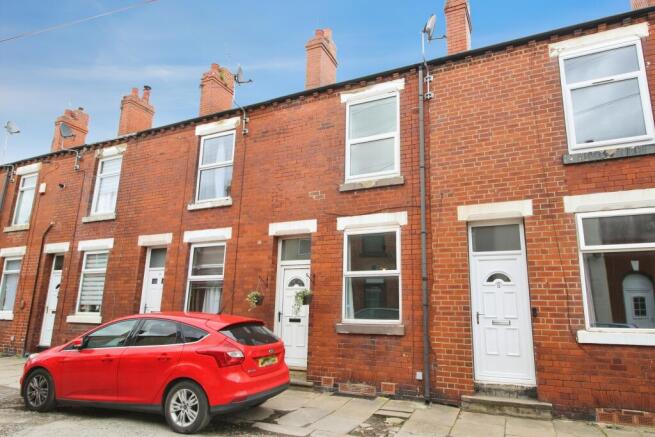
£120,000 - Guide Price
2 bedroom terraced house for sale
Whitehall Street, Wakefield, WF2

£150,000 - Guide Price
2 bedroom house for sale
Sycamore Copse, Wakefield

£750,000 - Offers Over
4 bedroom link detached house for sale
Hill Top, Newmillerdam, Wakefield, ...

£44,500 - Offers Over
1 bedroom flat for sale
Woodlands Village, Wakefield

£175,000 - Guide Price
3 bedroom semi-detached house for sale
41 Briary Close, Wakefield, West Yo...
Achieved vs asking prices
Key takeaway: Balanced market
On average, properties sell slightly below asking; careful comp analysis is key.
Headline stats
• Median discount: £3,000
• 1 in 4 properties sell at > £8,000 below asking
• 1 in 10 properties sell at > £15,000 below asking
In percentage terms:
• Median discount of 1.7%
• 25% of properties discounted by > 3.5%
• 10% of properties discounted by > 5.6%
Best places to invest in Wakefield
Top postcodes for rental yield and (annualised) capital growth
Nearby and related areas
Data sources
GeoGlider calculates property investment stats by blending official and proprietary datasets. Here's a quick overview of key sources and how we use them:
HM Land Registry: Property transaction and sold-price records for England & Wales used to calculate historical capital growth, price levels and comparables.
Office for National Statistics (ONS): Demographic and economic indicators for the UK, including Census 2021, supporting area profiling and market context.
Ordnance Survey: Authoritative UK geospatial data powering accurate boundaries, roads and terrain for mapping and spatial analysis.
GeoProp: Our proprietary AI pipeline that processes millions of property listings to extract rich features and live market signals.
Department for Levelling Up, Housing & Communities: Energy Performance Certificate (EPC) scores and property floor areas.
HM Revenue & Customs (HMRC): Household income and employment data to understand local affordability and economic conditions.
Data is updated continuously, matched across sources and rigorously validated.